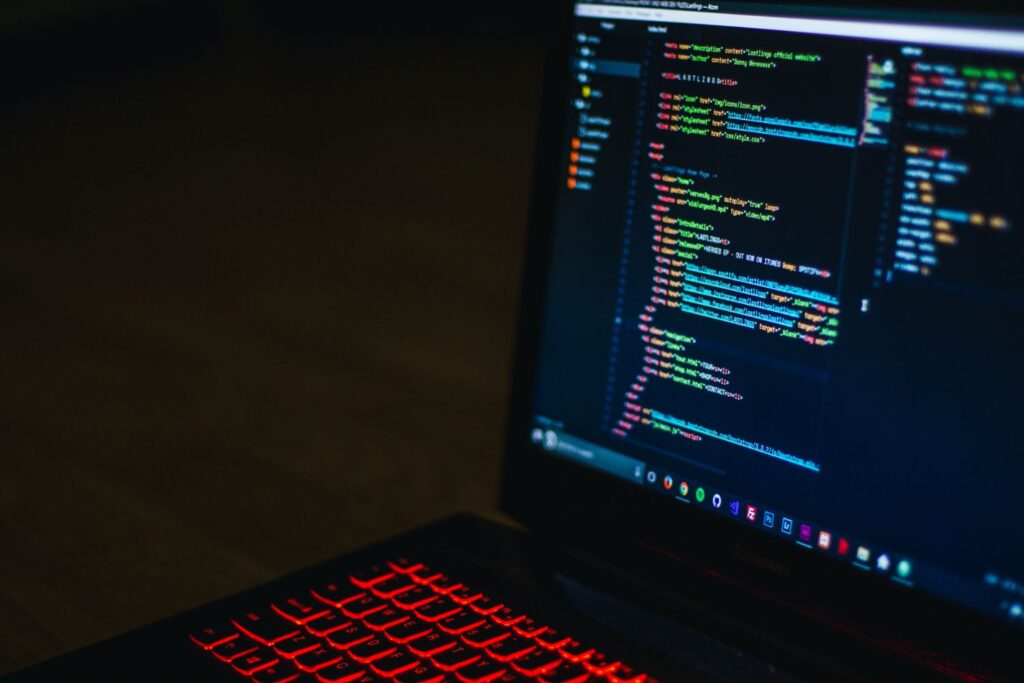
Learning to code has never been more accessible, yet many aspiring developers find themselves overwhelmed by the sheer volume of resources and technologies available. This guide provides a clear roadmap for anyone starting their programming journey in 2026.
Why Learn to Code?
Programming is more than just a career skill—it's a way of thinking that enhances problem-solving abilities across all areas of life. The tech industry continues to grow, with developer roles remaining among the most in-demand and well-compensated positions globally.
Beyond career prospects, coding empowers you to bring your ideas to life. Whether you want to build a website, create an app, automate tasks, or simply understand the technology that shapes our world, programming gives you the tools to make it happen.
Choosing Your First Programming Language
One of the first decisions you'll face is which programming language to learn. Rather than searching for the "best" language, focus on your goals and the type of projects you want to build.
For web development, JavaScript is essential. It runs in every browser and powers interactive websites. Combined with HTML and CSS, it forms the foundation of frontend development. If you're interested in creating web applications, this is your starting point.
Python has become incredibly popular for its readability and versatility. It's excellent for beginners and is used in web development, data analysis, artificial intelligence, and automation. Many programmers recommend Python as a first language because its syntax closely resembles plain English.
If mobile app development interests you, consider learning Swift for iOS or Kotlin for Android. For game development, C# with Unity or C++ with Unreal Engine are industry standards.
The Learning Process
Effective learning combines theory with practice. Start by understanding basic concepts like variables, functions, loops, and conditional statements. These fundamentals apply across all programming languages.
Once you grasp the basics, immediately start building projects. This is crucial. Reading tutorials and watching videos helps, but actual coding is where real learning happens. Start small with simple programs, then gradually increase complexity.
Project-Based Learning
Rather than trying to learn everything before building something, identify a project you want to create and learn what's necessary to build it. This approach keeps you motivated and ensures you're learning skills you'll actually use.
Beginner projects might include a personal website, a to-do list app, or a simple calculator. As you progress, tackle more complex challenges like building a blog platform, an e-commerce site, or a mobile application.
Common Challenges and How to Overcome Them
Every programmer faces obstacles. Understanding common challenges helps you prepare mentally and develop strategies to overcome them.
Frustration with debugging is universal. When your code doesn't work as expected, resist the urge to start over immediately. Learn to read error messages—they're telling you exactly what's wrong. Develop systematic debugging techniques like console logging and using browser developer tools.
Imposter syndrome affects developers at all levels. Remember that experienced programmers also search for solutions online and encounter problems. The difference is they've developed problem-solving strategies and know where to look for help.
Staying Motivated
Motivation naturally fluctuates during the learning process. Set clear, achievable goals and celebrate small wins. Join coding communities where you can share progress and connect with others on the same journey.
When you feel stuck, take breaks. Sometimes stepping away from a problem allows your brain to process information unconsciously, leading to breakthroughs when you return.
Resources for Learning
The internet offers countless free and paid resources for learning programming. Choose quality over quantity—commit to one or two comprehensive resources rather than jumping between many.
Interactive platforms let you code directly in the browser, providing immediate feedback. These work well for building foundational skills. As you progress, transition to setting up a local development environment to experience real-world workflows.
Documentation is an underutilized resource. Official documentation for languages and frameworks provides accurate, comprehensive information. Learning to read documentation is a crucial skill that serves you throughout your programming career.
Building a Portfolio
As you complete projects, showcase them in a portfolio. This demonstrates your skills to potential employers or clients more effectively than certificates alone. Include live demos and explain your thought process for each project.
Use GitHub to store your code. This serves multiple purposes: it backs up your work, shows your coding activity, and teaches you version control—an essential professional skill.
The Path Forward
Learning to code is a marathon, not a sprint. Progress may feel slow initially, but consistent daily practice compounds over time. Most successful developers didn't learn everything before getting their first job—they learned enough to start, then continued learning on the job.
Focus on fundamentals rather than trying to learn every new framework or library. Strong foundational knowledge makes picking up new technologies much easier.
Remember that everyone starts as a beginner. The developers whose work you admire were once where you are now. With dedication and the right approach, you can achieve your programming goals.
Ready to Start Your Coding Journey?
Join our comprehensive web development course and learn from industry professionals.
View Courses